Community Forum
Welcome to the Brawnix elite knowledge base. Read expert fitness tips, community discussions, and nutritional formulas published by our professionals.


How to lift weight
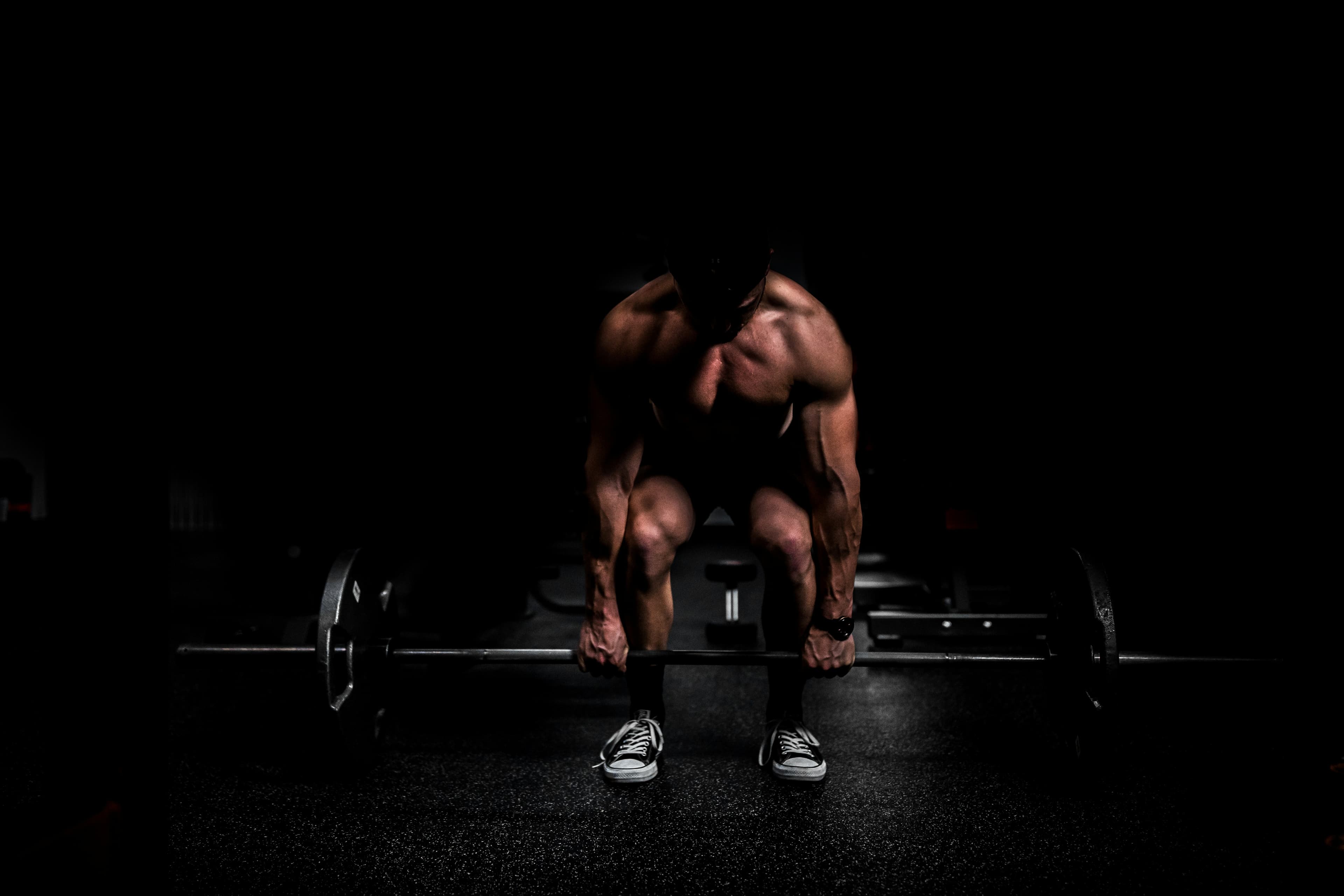
To lift weights effectively, you must prioritize proper form, controlled breathing, and progressive resistance over simply moving heavy loads. Begin your routine with a five-minute dynamic warm-up, such as brisk walking or jumping jacks, to increase blood flow and prime your muscles for exertion. When selecting equipment, choose a light starting weight that allows you to complete 10 to 15 repetitions with strict technique, ensuring your muscles—rather than momentum or swinging motions—are doing the work. Move slowly through the full range of motion for each exercise, exhaling as you exert force against the resistance and inhaling as you control the weight back down to the starting position.
Essential Tips for Effective Weight Training
Lifting weights successfully requires a blend of preparation, precision, and consistency to maximize results and prevent injury. Before gripping any equipment, always dedicate five to ten minutes to a dynamic warmup to lubricate your joints and increase blood flow to your muscles. Once you begin your sets, prioritize proper form over the amount of weight you lift, as moving a lighter load correctly yields far better results than swinging heavy iron with poor mechanics. Maintain a strict mind-muscle connection by focusing entirely on the specific muscle group you are trying to target during each repetition. Control the tempo of every movement by taking two seconds to lift the weight and another two to three seconds to lower it, which eliminates momentum and forces your muscles to do all the work. Remember to manage your breathing by exhaling on the exertion phase of the lift and inhaling as you return to the starting position. Rest for one to two minutes between your sets to allow your energy systems to replenish so you can maintain high performance throughout the workout. Finally, ensure you give your body adequate time to recover by getting quality sleep and consuming enough protein, as muscles grow and repair during periods of rest rather than inside the gym.

5 Fitness Tips
Achieving your optimal health relies on balancing consistent physical effort with strategic recovery and nutrition. Prioritizing consistency over intensity ensures long-term success, so focus on building manageable habits before increasing your physical difficulty. A well-rounded routine combines strength training to build dense muscle mass with cardiovascular exercise to improve heart health. To keep your body functioning at its best, hydrate strategically throughout the day to flush out cellular toxins and fuel yourself with a mix of carbohydrates and protein. Finally, prioritize rest and recovery by getting seven to nine hours of sleep and taking full rest days, allowing your muscles the necessary time to repair and grow without risking injury.

Fitness Equipment Improve
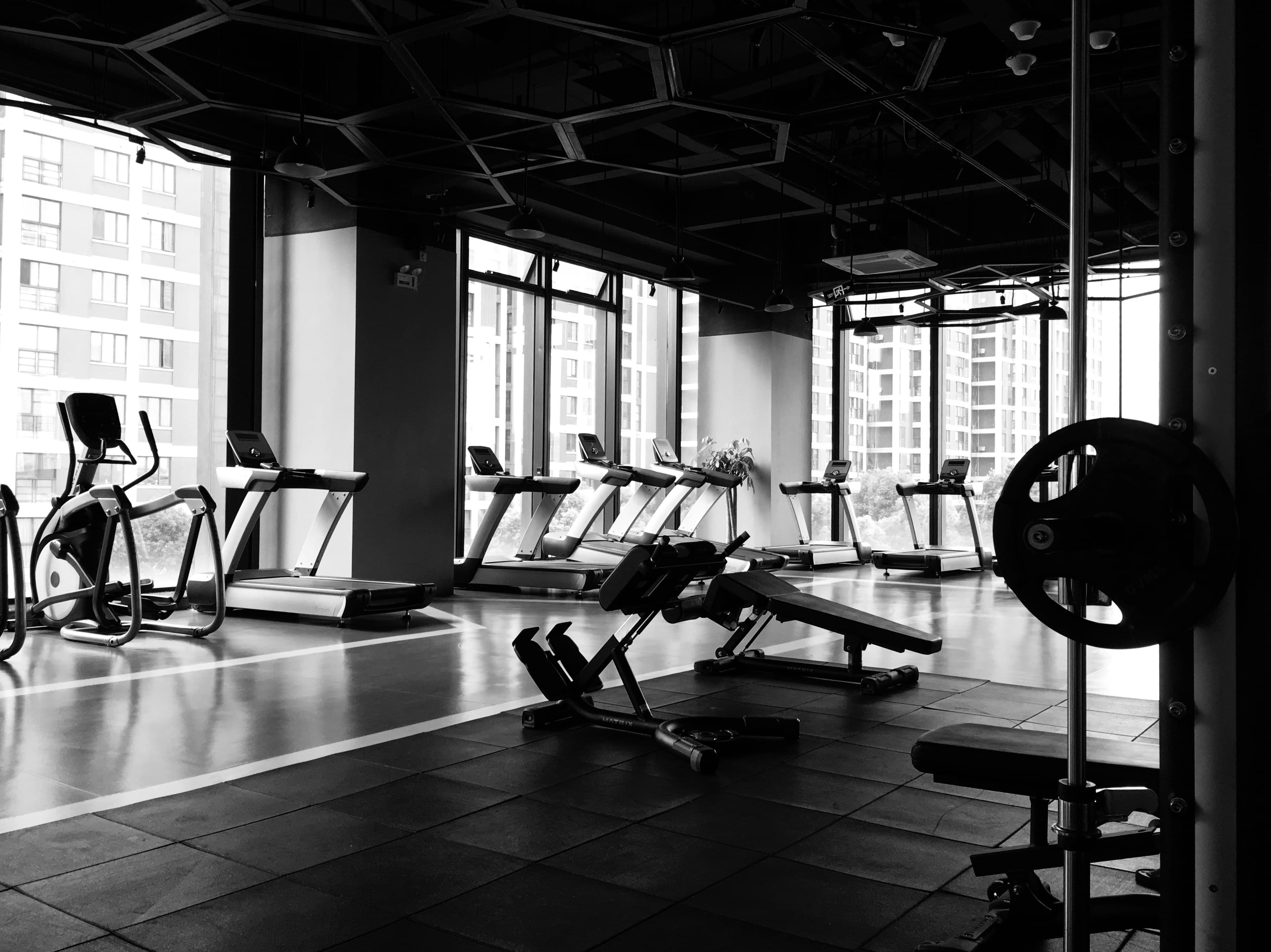
Selecting the right fitness equipment is a highly practical way to transform your health, but your choices should always align with your personal physical goals, available floor space, and budget. For those looking to build lean muscle mass and increase bone density, investing in versatile strength gear like space-saving adjustable dumbbells, multi-angle weight benches, or portable resistance bands is ideal. If your focus is boosting lung capacity, burning calories, and improving heart health, cardiovascular tools like motorized treadmills, high-intensity stationary air bikes, or a simple jump rope are excellent foundations. Finally, a well-rounded setup should always include flexibility and recovery tools-such as high-density yoga mats and targeted percussion massage guns—to reduce muscle soreness and protect your joints from injury. By combining the right mix of these tools, you can easily create an efficient, highly customizable workout environment right at home.